Ski Helmet vs. Snowboard Helmet: What Is the Difference?
Share
Quick answer: For most recreational riders, a ski helmet and a snowboard helmet are not two separate safety categories. The same snow-sports helmet can usually be used for skiing or snowboarding when it is designed for recreational snow sports, fits correctly, works with your goggles, and is suitable for the way you ride. The meaningful differences are usually fit, styling, ventilation, ear coverage, goggle compatibility, and feature preferences.
This guide explains what to compare before buying, how to check helmet and goggle fit, and when a different model may make more sense for resort skiing, snowboarding, youth riders, or colder conditions.
Ski helmet vs. snowboard helmet: comparison at a glance
| Feature | Ski helmet | Snowboard helmet |
|---|---|---|
| Intended activity | Recreational snow sports | Recreational snow sports |
| Core protection category | Often the same snow-sports standards | Often the same snow-sports standards |
| Typical styling | May look more streamlined or race-inspired | May look more casual or skate-inspired |
| What matters most | Correct fit, standard, comfort, goggle pairing | Correct fit, standard, comfort, goggle pairing |
| Can one helmet do both? | Usually yes, if the manufacturer approves it for the intended snow-sports use | |
Are ski and snowboard helmets actually different?
In everyday retail language, the labels often describe styling and intended customer preference more than a different protective category. ASTM F2040, a U.S. performance specification for recreational snow-sports helmets, covers skiing, snowboarding, and other alpine sports together. Snell's RS-98 standard likewise addresses recreational skiing and snowboarding.
That does not mean every helmet is identical. Shell construction, liner design, coverage, adjustment systems, ventilation, weight, audio compatibility, and goggle fit can vary significantly between models. Compare the individual helmet's label and manufacturer's instructions rather than relying only on “ski” or “snowboard” in the product name.
1. Check the intended-use standard
Look for a helmet designed and labeled for recreational snow sports in the market where you will use it. In the United States, ASTM F2040 is a commonly referenced snow-sports helmet standard. Other regions may use different standards, and some models carry more than one certification.
A standard is a useful starting point, not a promise that injury cannot occur. ASTM notes that protection is limited, and the National Ski Areas Association recommends wearing a helmet while still skiing or riding as though you are not wearing one. Stay within your ability, follow resort rules, and adjust speed for terrain, visibility, traffic, and snow conditions.
2. Prioritize fit over the sport label
A correctly sized helmet should sit level on your head, low enough to protect the forehead, without rocking forward, backward, or side to side. It should feel evenly snug rather than creating one sharp pressure point.
- Measure the widest part of your head, usually about 1 inch or 2.5 cm above the eyebrows.
- Compare that measurement with the specific manufacturer's size chart.
- Open the adjustment system before putting the helmet on, then tighten it until secure and comfortable.
- Fasten the chin strap so it is snug without restricting normal breathing or jaw movement.
- Shake your head gently. The helmet should move with your head rather than sliding independently.
Do not buy a youth helmet with substantial room to “grow into.” Extra space can compromise stability. For more measurement guidance, see our helmet measurement and fit guide and kids helmet sizing guide. Always follow the snow helmet manufacturer's instructions because sizing systems differ by model and activity.
3. Test helmet and goggle compatibility together
The best helmet can still feel wrong when paired with poorly matched goggles. Try both together whenever possible.
- Forehead gap: The goggle frame should meet the helmet opening cleanly without a large exposed strip of skin.
- Pressure: The helmet should not push the goggles down onto your nose.
- Vent alignment: Compatible vents can help warm, moist air move away from the lens.
- Strap security: Check that the goggle strap sits securely around the helmet and under the rear retainer.
- Field of view: The frame should not obstruct your practical view of nearby riders or terrain.
Riders who wear prescription glasses can consider OTG ski and snowboard goggles, then confirm that the glasses, goggles, and helmet remain comfortable as a system.
4. Compare ventilation and warmth
Ventilation needs depend on weather, exertion, and personal preference. Adjustable vents provide flexibility for cold lift rides and warmer, more active runs. Fixed vents can be simpler and lighter, but offer less control.
Removable or padded ear covers add warmth and can change how clearly you hear surrounding activity. Before each day on the mountain, make sure you can still hear important instructions and nearby traffic. A thin, helmet-compatible layer such as a winter balaclava may add coverage, but bulky hats or thick seams can alter helmet fit. Recheck stability after adding any layer.
5. Choose features for your riding scenario
Resort skiing and all-mountain riding
Look for dependable adjustment, comfortable ear coverage, easy vent control, and a clean match with your goggles. A balanced setup that remains comfortable for a full day is usually more useful than choosing by styling alone.
Recreational snowboarding
The same fit and standard checks apply. Some snowboarders prefer a lower-profile shape or specific brim and goggle styling, but those are personal preferences. Riders who spend time in terrain parks should remember that a recreational helmet does not remove the added risks of jumps, rails, or higher-impact maneuvers.
Youth riders
Measure the child's current head size and choose a secure current fit. Check it again during the season, especially after changing goggles, balaclavas, or hairstyles. Teach young riders that wearing a helmet does not make reckless speed or behavior safe.
Cold-weather and low-visibility days
Prioritize adjustable ventilation, reliable goggle fit, suitable lens choice, and layers that do not interfere with the helmet. Browse our snow sports and winter gear for compatible setup options.
Can you use the same helmet for skiing and snowboarding?
Usually, yes. A helmet specifically intended for recreational snow sports can commonly serve both activities, provided it fits correctly and the manufacturer's labeling supports the intended use. A change in riding style, competition level, or manufacturer restrictions may require a different model.
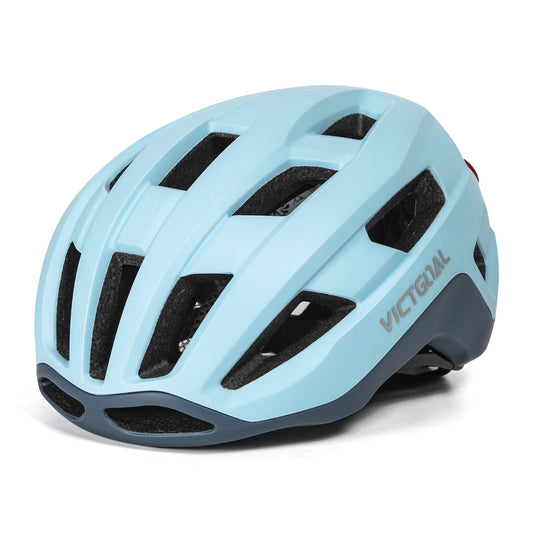
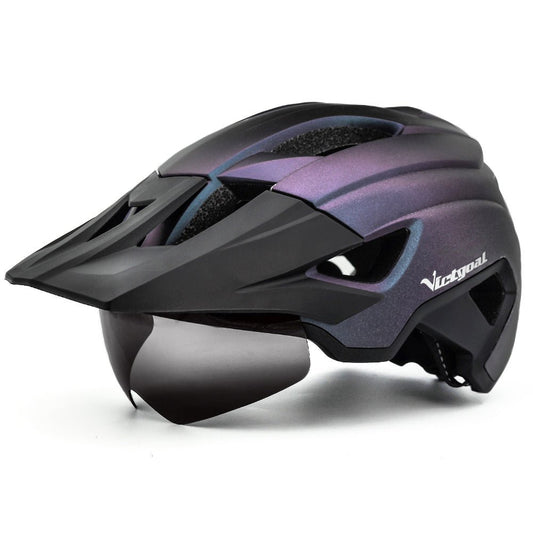
The VICTGOAL ski and snowboard helmet is positioned for men, women, and youth, with adjustable sizing, ear coverage, and ventilation options. Check the product size chart and your head measurement before selecting a size.
Can you use a bike helmet for skiing or snowboarding?
Do not assume a bicycle helmet and a snow-sports helmet are interchangeable. They are designed around different intended uses, test methods, coverage, temperature conditions, and accessory systems. Use a helmet labeled and certified for the activity you plan to do. A multi-activity claim should come from the helmet manufacturer and its certification labels, not appearance alone.
When should a snow helmet be replaced?
Inspect the helmet before use. Stop using it after a significant impact or when the shell, liner, straps, buckle, adjustment system, or attachment points show damage. Some impact damage may not be obvious. Follow the manufacturer's replacement instructions and lifespan guidance, and do not use a secondhand helmet when its impact history is unknown.
Snow helmet buying checklist
- Designed and labeled for the intended recreational snow sport
- Appropriate standard or certification for your market and use
- Correct current head measurement and model-specific size
- Stable fit with no painful pressure points
- Secure chin strap and working adjustment system
- Compatible fit with your goggles and prescription glasses, if used
- Ventilation and ear coverage suitable for expected conditions
- No damage, unknown impact history, or altered components
Frequently asked questions
Do snowboard helmets offer more protection than ski helmets?
Not simply because they are called snowboard helmets. Compare the individual model's intended use, certification, fit, construction, coverage, and condition. A well-fitting certified snow-sports helmet is a better basis for choosing than the sport word in the product name.
Should a snowboard helmet fit differently?
No. It should still sit level, remain stable during gentle head movement, and feel evenly snug. Styling may differ, but the need for correct fit does not.
Should goggles go over or under the helmet?
Follow the helmet and goggle manufacturers' instructions. Many recreational setups place the strap around the outside of the helmet and secure it with the rear retainer. The key checks are stable goggles, clear vision, comfortable pressure, and no interference with helmet fit.
Is a more expensive helmet automatically safer?
Price can reflect weight, materials, ventilation controls, finish, comfort, and added features. It does not replace checking intended use, certification, fit, condition, and manufacturer instructions.
Sources and further reading
- ASTM F2040: Helmets Used for Recreational Snow Sports
- National Ski Areas Association: Helmet Safety
- Snell RS-98: Recreational Skiing and Snowboarding Helmet Standard
This guide provides general shopping and fit information. Always follow the helmet manufacturer's instructions and the rules of the resort or activity provider.